
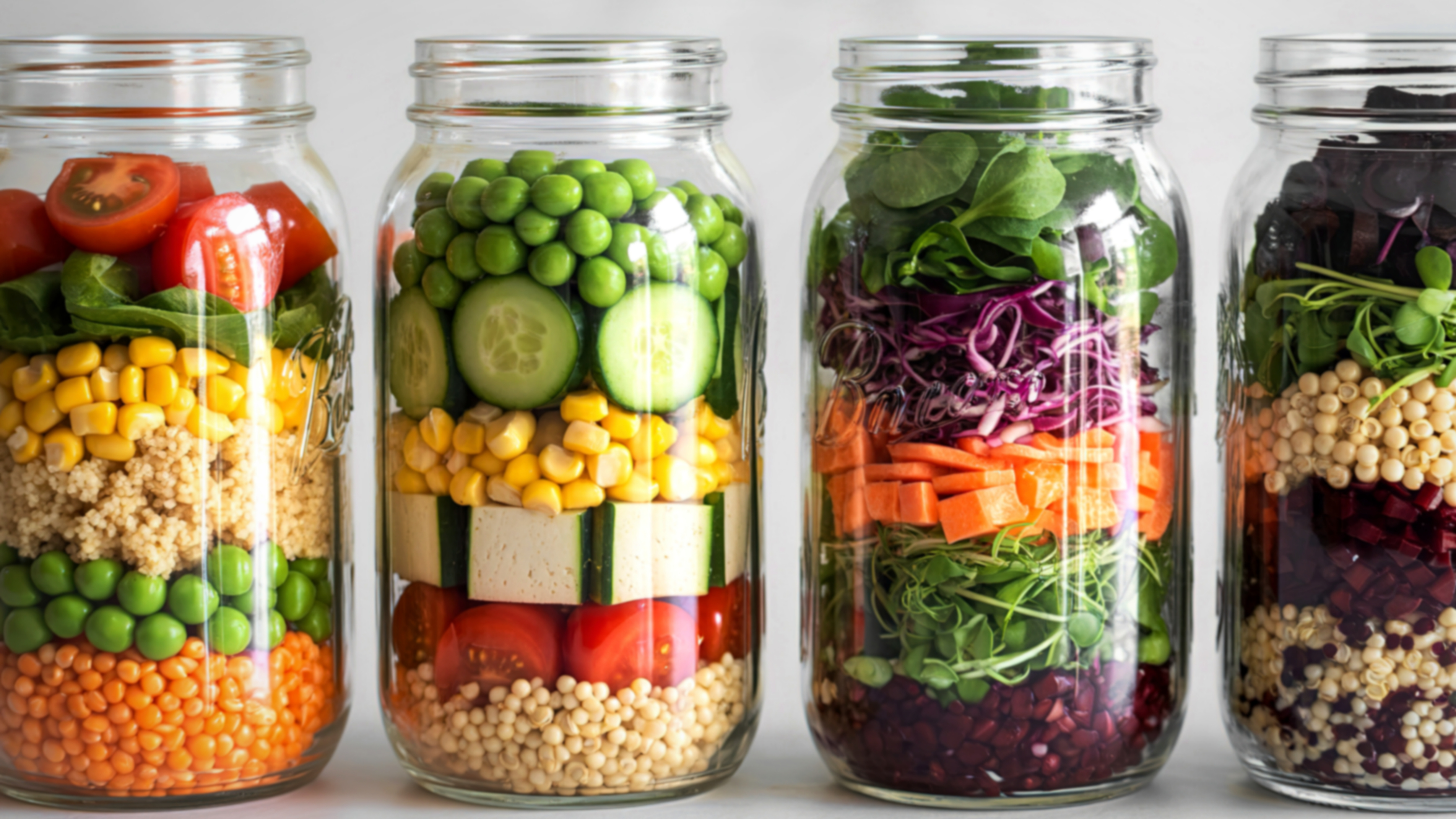
In today’s wellness-focused world, disordered eating can hide behind “clean” or “healthy” eating. We are encouraged to choose whole foods, limit processed items, and be mindful of what we eat. While these are great habits that can support your overall wellbeing, there is an important distinction between nourishing the body and becoming overly rigid or anxious about food. You may wonder if what you’re doing is healthy eating or orthorexia.
As a registered dietitian, I frequently work with individuals who start with good intentions, but find themselves stressed, restricted, or socially isolated because of food rules. Understanding the difference between healthy eating and orthorexia can help support a healthier and more sustainable relationship with food.
In this post, we’ll let you know what to watch out for if healthy habits are starting to feel unhealthy.
What is Healthy Eating?
Healthy eating supports overall wellbeing physically, mentally, and socially. It is flexible and individualized.
Healthy eating typically includes:
- A wide variety of foods
- Awareness of hunger and fullness cues
- Enjoyment of food and cultural traditions
- Flexibility for different situations and stages of life
- Support for energy, mood, and health
Contrary to what you may have been led to believe by diet culture, healthy eating may not require obsessive tracking, guilt after eating, or strict food rules.
What is Orthorexia?
Orthorexia is characterized by an unhealthy obsession with eating foods perceived as “clean,” “pure,” or “perfect”. While it is not currently a formal eating disorder diagnosis, it is widely recognized by eating disorder professionals.
Orthorexia may involve:
- Intense fear of foods considered unhealthy
- Rigid food rules that feel difficult to break
- Anxiety, guilt, or shame related to eating
- Avoidance of social situations involving food
- Self worth tied to food choices or perceived discipline
- Elimination of entire food groups
Why Orthorexia is Often Overlooked
Diet culture frequently praises restriction, willpower, and “clean” eating. As a result, behaviors associated with orthorexia are often normalized or rewarded.
People experiencing orthorexia may:
- Feel unsure whether their struggles are serious enough
- Receive praise for weight loss or discipline
- Believe they are simply being healthy or motivated
Over time food may become a source of stress rather than nourishment.
Is Your Healthy Eating Actually Orthorexia?
Here are 6 Signs of Orthorexia
Support from an expert can help rebuild trust and flexibility around eating.
1. Preoccupation with Food Purity
- Reading labels to ensure foods are “pure” or “clean”
- Refusing to eat food prepared by others for fear it may not meet strict standards
- Using extreme terms like “dirty,” “toxic,” and “poisonous” to describe foods
2. Strict Food Rules
- Labeling foods as strictly “good” or “bad”
- Avoiding entire food groups
- Following a strict diet or fasting
- Measuring, portioning, or weighing food
- Skipping meals if a “perfect” option isn’t available
- Punishment for breaking a food rule
3. Rigid Eating Patterns
- Eating becomes inflexible, with little room for spontaneity
- Anxiety when eating out
- Anxiety when eating with others
- May be rigid with meal/snack schedules
- Repeating the same meals and snacks daily
- Eating at the exact same times every day, regardless of hunger/fullness
4. Obsession with Organic, Raw, or Unprocessed Foods
- Strong belief that only organic, raw, or unprocessed foods are safe to eat
- Refusing all cooked foods, even when it limits nutrition
- Bringing homemade meals to gatherings to maintain control
5. Cutting out Foods without Cause
- Eliminating gluten despite lacking a celiac or gluten sensitivity diagnosis
- Refusing carbohydrates (like pasta, rice, and bread) due to a fear or weight gain
- Belief that “sugar is toxic” and even avoiding naturally occurring sugars
- Avoiding seed oils, soy, grains, legumes, or any food groups without medical guidance or reasoning
6. Frequent “Detoxes” or “Cleanses”
- Engaging in “cleanses” or “detoxes” to “purify” the body
- Feeling the need to compensate for eating certain foods with a strict diet
- Relying on supplements or powders to “detox” the body without professional advice
- Going on a liquid only diet or juice cleanse
What should I do if I’m struggling with orthorexia?
Orthorexia has long term health consequences. If these signs feel familiar, support is available. Working with a dietitian who specializes in eating disorder recovery can help you heal your relationship with food and your body.