
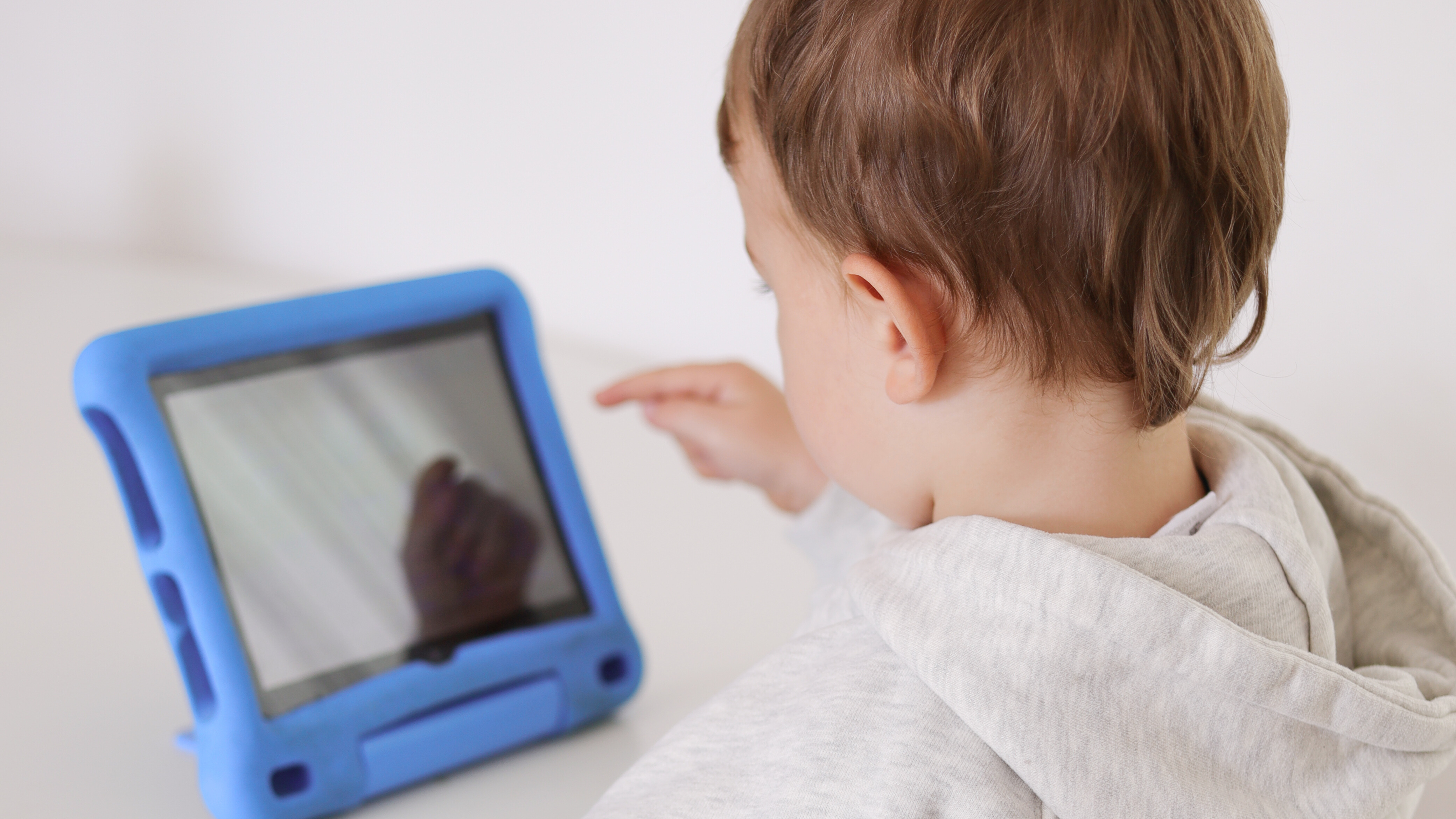
Mealtimes are about more than just eating. They’re a chance for families to connect, model healthy habits, and enjoy shared routines. But in today’s technological world, technology at the table is common, and many parents wonder: Are screens at mealtime always bad for kids?
While screen use during meals can sometimes make things easier, it can also interfere with mindful eating, communication, and family connection.
For parents of neurodivergent children, there may be additional considerations, which we’ll explore as well.
In this post, we’ll explore practical, evidence-based guidance for handling screens at mealtime so families can find a balance that works for everyone.
Why Reducing Screens During Mealtime Matters
Eating with screens (TV, tablets, phones) distracts from the body’s natural internal hunger/fullness cues. We are more likely to under-eat or overeat when screens are present during meals because it’s harder to tune into these cues.
Screens can also reduce opportunities for family connection, communication, modeling healthy eating, and helping children learn about food.
Mealtimes without screens help children notice taste, texture, smell, and increase enjoyment around eating.
Simple Strategies We Recommend
Replace screens with other supports
- Engage the child via conversation, asking about their day, telling stories.
- Use distractions that are less immersive: coloring placemats, food play, letting them help with meal prep, letting them help clean up after meals.
- Make the meal environment pleasant, calm, predictable.
Model the behavior
- Parents and caregivers should also put away screens during meals.
- Eating together as a family helps establish expectations around meals and refocuses meals as a time to connect with each other and enjoy food together.
Be consistent, calm, and patient
- Resist giving in when there’s resistence. Over time, consistency helps create new habits and expectations.
Set up routines and structure
- Regular, predictable meal and snack times
- Short mealtimes appropriate for your child’s age (i.e. 15-30 minutes for younger kids)
- Same seat, same setting, comfortable, low sensory load (light/sounds/smells)
Special Considerations for Kids with Autism & Neurodivergence
Children who are neurodivergent often have additional factors that make screen removal at mealtimes more challenging, but there are also strategies that can help bridge the gap while respecting their needs.
Understand sensory, routine, and comfort needs
- Some children are more sensitive to noises, smells, lights, textures, or visual clutter. The presence of screens may sometimes offer predictability or reduce anxiety.
- Using favorite seat, familiar utensils, dimmer lighting, reducing strong smells.
Make screen removal gradual and predictable
- For example, keep screens off for part of the meal, then increase over time. Or start with one meals a day without screen, gradually increasing.
- Use visual schedules, timers, or social stories so the child knows what to expect. Routines can help reduce anxiety.
Include “safe” or preferred foods
- Include at least one at most meals so they feel some control. Pair new or less preferred foods with safe foods; offer smaller portions. Exposure without pressure helps over time.
Provide alternatives when needed
- If screens are calming or used to regulate sensory input, consider alternatives: fidget toys, quiet music, wearing noise-reducing headphones, etc.
Focus on feeding relationships and choice
- Let your child decide if and how much to eat from the foods offered. Your role is which foods are offered, when, and where.
- Avoid forcing, shaming, pressure, which tend to backfire.
Work With a Dietitian for 1:1 Support
Some children may have sensory processing, oral‐motor difficulties, reflux, allergies, etc. that make eating difficult. These should be evaluated and addressed.
If eating becomes very restricted (e.g. only a few foods, weight loss, nutrient deficiencies), working with a multidisciplinary team (pediatric dietitian, occupational therapist, speech therapist) is often necessary.